Delving into Northern Home Improvement Ideas for Energy Efficiency, readers are invited to explore strategies tailored for colder climates, emphasizing the significance of sustainable living. This introduction sets the stage for a comprehensive discussion that blends informative insights with practical solutions.
The subsequent paragraph will provide in-depth details and analysis on the Artikeld topics.
Northern Home Improvement Ideas for Energy Efficiency
Living in Northern climates presents unique challenges when it comes to energy efficiency in homes. Harsh winters and extreme temperature fluctuations can lead to high heating costs and energy waste. Implementing energy-efficient upgrades is crucial for homeowners in these regions to reduce energy consumption and save money in the long run.
Key Benefits of Energy-Efficient Improvements
- Lower Energy Bills: By improving insulation, sealing air leaks, and upgrading to energy-efficient appliances, homeowners can significantly reduce their monthly energy bills.
- Increased Comfort: Proper insulation and sealing can help maintain a consistent indoor temperature, resulting in a more comfortable living environment throughout the year.
- Environmental Impact: Energy-efficient upgrades not only benefit homeowners but also help reduce greenhouse gas emissions and minimize the environmental impact of energy consumption.
- Higher Property Value: Energy-efficient homes are in high demand and often command higher resale values, making it a smart investment for homeowners.
Popular Energy-Efficient Upgrades for Northern Homes
- Insulation: Adding or upgrading insulation in the attic, walls, and floors can prevent heat loss and reduce the need for constant heating in winter.
- Sealing Air Leaks: Caulking windows and doors, as well as insulating ductwork, can help prevent drafts and maintain airtightness in the home.
- Energy-Efficient Windows: Installing double or triple-pane windows with low-emissivity coatings can improve insulation and reduce heat transfer.
- Energy-Efficient Heating Systems: Upgrading to a high-efficiency furnace or heat pump can significantly lower heating costs while maintaining optimal comfort levels.
Insulation and Weatherization
Proper insulation and weatherization are essential for Northern homes to maintain a comfortable indoor temperature and reduce energy bills. In cold climates, the right insulation materials and weatherizing techniques can make a significant difference in energy efficiency.
Types of Insulation Materials
- Fiberglass Insulation: Made of tiny glass fibers, this type of insulation is cost-effective and commonly used in Northern homes.
- Spray Foam Insulation: Provides a superior air barrier and higher R-value, making it ideal for sealing gaps and cracks in walls and attics.
- Cellulose Insulation: Made from recycled paper, this eco-friendly option is effective in preventing heat loss and can be blown into walls or attics.
- Rigid Foam Insulation: Offers high thermal resistance and moisture resistance, making it suitable for insulating basements and foundations.
Weatherizing Your Home
Weatherizing a home involves sealing air leaks and improving insulation to prevent heat loss and drafts. This process helps maintain a consistent indoor temperature and reduces the workload on heating systems.
Tips for Sealing Drafts and Air Leaks
- Check for drafts around windows and doors, and use weather-stripping or caulk to seal them.
- Insulate attics and crawl spaces to prevent heat loss through the roof.
- Seal gaps around pipes, vents, and electrical outlets with expanding foam or sealant.
- Install a door sweep at the bottom of exterior doors to prevent cold air from entering.
Heating Systems Optimization
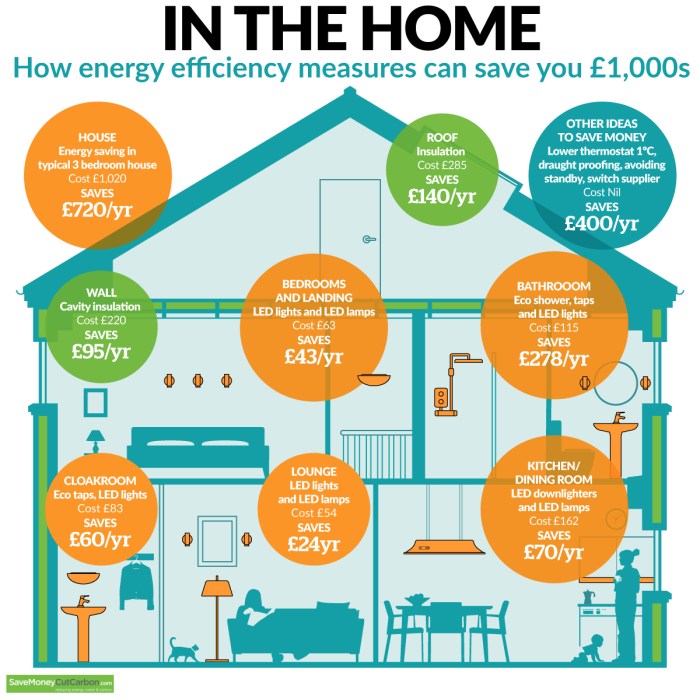
When it comes to energy consumption in cold climates, heating systems play a crucial role. In Northern homes, inefficient heating systems can lead to high energy bills and unnecessary waste.
Optimizing heating systems for efficiency is key to reducing energy consumption and maximizing comfort in cold weather. By implementing the right strategies, homeowners can not only save money but also reduce their environmental impact.
Strategies for Optimizing Heating Systems
- Regular maintenance: Ensuring that heating systems are properly maintained can improve efficiency and prolong their lifespan.
- Upgrading to energy-efficient models: Investing in newer, more energy-efficient heating systems can significantly reduce energy usage.
- Proper insulation: Good insulation in the home can help retain heat and reduce the workload on the heating system.
- Sealing air leaks: Identifying and sealing any air leaks in the home can prevent heat loss and improve overall efficiency.
Benefits of Upgrading to Energy-Efficient Heating Systems
- Lower energy bills: Energy-efficient heating systems consume less energy, resulting in lower monthly bills.
- Improved comfort: Upgrading to a more efficient system can provide more consistent and comfortable heating throughout the home.
- Reduced carbon footprint: Energy-efficient heating systems produce fewer greenhouse gas emissions, helping to reduce environmental impact.
Programmable Thermostats for Energy Savings
Programmable thermostats allow homeowners to set specific temperatures for different times of the day, helping to reduce energy usage when heating is not needed. By automatically adjusting the temperature based on a pre-set schedule, programmable thermostats can lead to significant energy savings over time.
Window Upgrades and Treatments
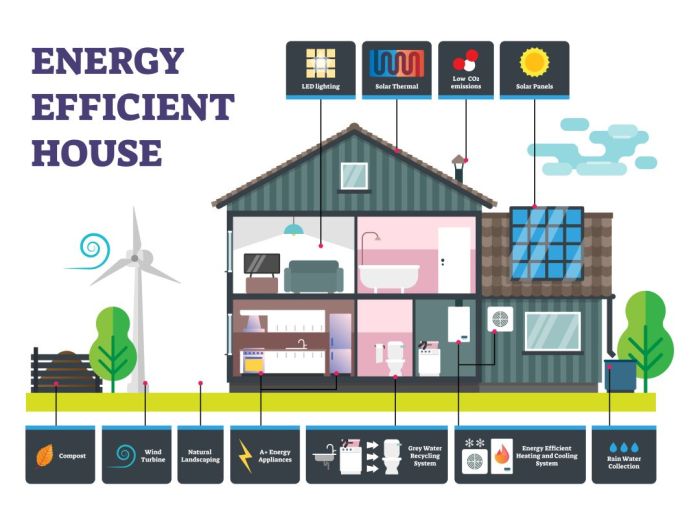
When it comes to improving energy efficiency in Northern homes, upgrading windows and utilizing effective treatments play a crucial role in reducing heat loss and enhancing insulation.
Types of Energy-Efficient Windows
- Double-pane windows: These windows have two layers of glass with a spacer in between, providing better insulation compared to single-pane windows.
- Triple-pane windows: With three layers of glass and two air spaces, triple-pane windows offer the highest level of insulation, ideal for extreme cold climates.
- Low-E coated windows: These windows have a low-emissivity coating that reflects heat back into the room, reducing heat loss through the glass.
Role of Window Treatments
Window treatments such as thermal curtains, honeycomb shades, and window films can further improve insulation by reducing drafts and heat transfer through windows. These treatments help retain heat during winter and keep the home cool in summer.
Choosing the Right Window Upgrades
- Consider the U-factor and Solar Heat Gain Coefficient (SHGC) ratings of the windows to ensure optimal insulation and energy efficiency.
- Look for ENERGY STAR certified windows that meet specific criteria for energy performance in Northern climates.
- Consult with a professional to determine the most suitable window upgrades based on your home’s specific needs and climate requirements.
Concluding Remarks
Concluding our exploration of Northern Home Improvement Ideas for Energy Efficiency, we reflect on the critical role of energy-efficient upgrades in creating eco-friendly homes that thrive in cold weather conditions. This summary encapsulates the essence of our discussion, inspiring readers to embark on a journey towards a more sustainable lifestyle.
FAQ Guide
How can I improve energy efficiency in my Northern home?
To enhance energy efficiency in your Northern home, consider upgrading insulation, optimizing heating systems, and installing energy-efficient windows.
What are some common challenges faced by homeowners in Northern regions?
Homeowners in Northern regions often struggle with high energy costs, drafts, and inefficient heating systems.
Why is proper insulation important for homes in cold climates?
Proper insulation helps retain heat in the winter, reducing energy consumption and increasing overall comfort.